Day 10 – superstitions + myths

Another poem that (the concept of which) has been bubbling around my brain for a few days. Again it might’ve been a better “introductory” pome but we get what get when we gets it.

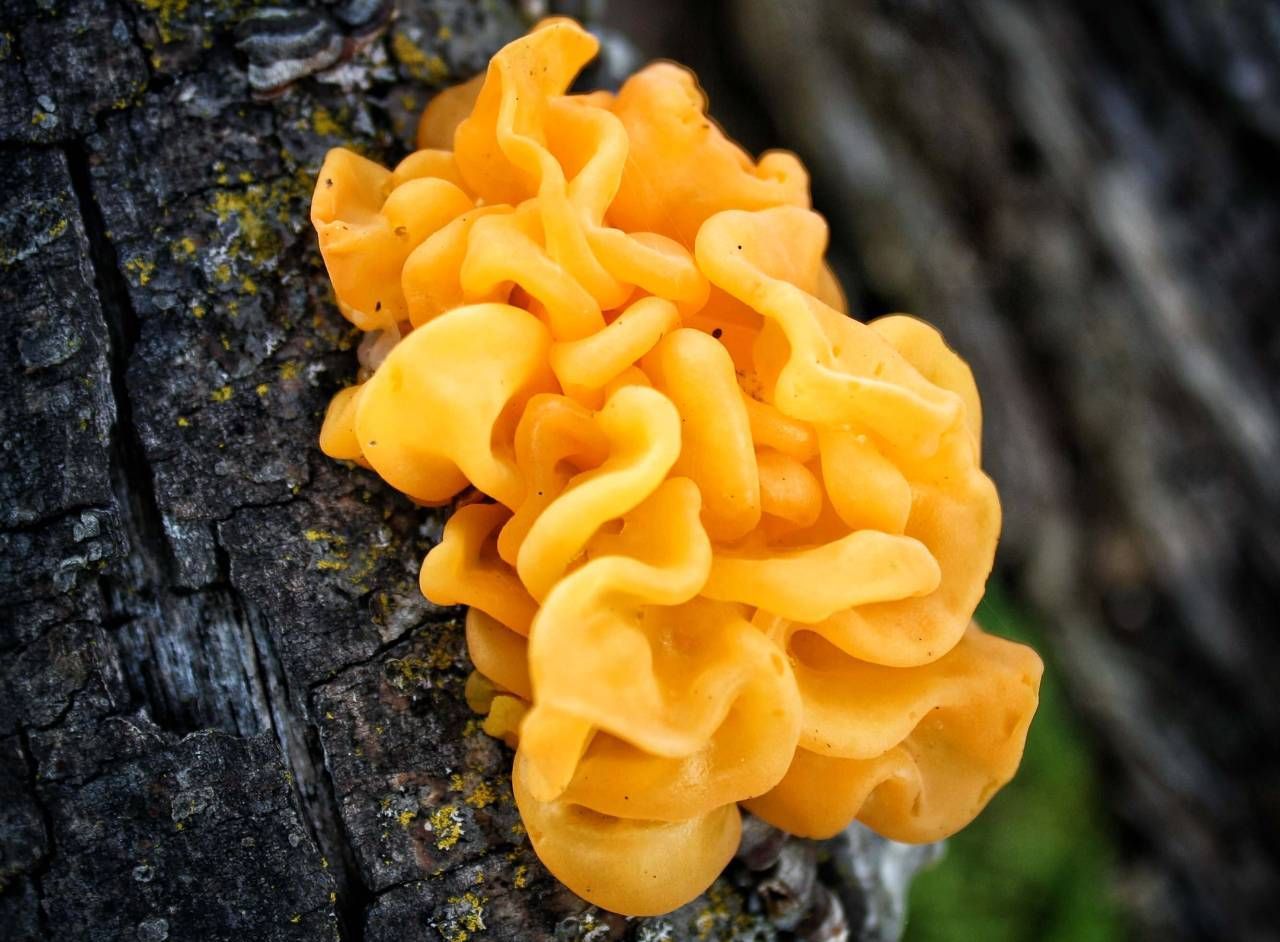
The Factoid is actually an assembly of 5 Mushroom Myths, to which I could easily have added another 5 more. But five seemed the right number so I picked the funnest ones.
*****

superstitions abound because

i. popular
they alarm : in (as archaic storytellers would say) : ye olden days : simply : by suddenly appearing : & equally so : disappearing : into nothingness : more often than not : as if out of nowhere : oftener in odd : unusual : otherworldly : or magical forms : some humanoid in shape : some suggestive : complete with earthy intoxicating smells : foul unpleasant smells : gaudy colours : extravagant colours : glorious colours : colours which change when touched : or cut : bawdy designs : gorgeous  designs : even some which light up the dark : bioluminescence : being almost the last straw : of our ancestor’s sanity

they appear : in fairy rings : aka : dimensional portals ; midnight transportation to realms of the Fae : time travel ; where one night’s revelry inside : equates with a hundred years back home : & the deaths of all your family & friends : crushing one causes ; the curse of bad luck : predicting lifespans : or amphitheatres ; where only the pure-hearted ; can enjoy ; ethereal music & exotic dancing : scorch marks ; created by overheated dragon tails ; or worse ; wild witches dance in them ; & in their swivels summon devils : as architects of immortality

they grew : where lightning had struck earth ; or fallen stars lodged : they were made of : the blood of dragons : seeded by the Devil : or any one ; of a number of gods ; some benevolent ; others more perverse  

they were : the work of witches : portals for fairies : gifts & curses from the divine : reflections of our desires ; our doubts : some even translocate us : within our own minds

ii. personal
whereas i believe : the ongoing obsession : love/hate : philia/phobia : fondness/fear : fixation : infatuation : call it what you will : between fungi : & us : is because we recognise : at a sub liminal level : we realise : in the sub strate : of our souls : we acknowledge : at our deepest sub conscious core : we would not be here : without that first ancient collaboration : between fungi & plant : five hundred million years ago

*****

Day 10 Factoid – There’s A Lot Of Mushroom Misconceptions Around

5 False Myths About Mushrooms

1. If Animals Eat Them…
Animals eat many things I would not put 
near my mouth. (My dog’s diet is a perfect 
case in point.) Learning to identify mushrooms 
is far more reliable than trusting a moose.

2. Cooking Makes Mushrooms Safe
Try if you like but no matter how thoroughly 
you cook various poisonous mushrooms
many/most toxins do not break down 
with heat/any type of cooking. So no go, Joe.

3. Color Indicates Toxicity …
Not all brightly coloured mushrooms are toxic 
& plenty of dull coloured ones are safe to eat.

3i. Any White Mushrooms Are Safe To Eat Myth
No, white is not alright. Think this & it 
might be your last thought. Some of the most 
toxic mushrooms around are pure white 
& would love to kill you if they could.

4. All Toxic Mushrooms Taste Bad
That all poisonous mushrooms taste bad, bitter, 
or sour is baloney. Reportedly the death cap tastes
excellent. How do we know? It doesn’t always kill 
immediately — liver failure & other organ damage is also possible.

5. Cooking With A Silver Spoon Identifies Toxic Mushrooms.
Supposed sulphur-containing toxic mushrooms 
will not cause silver spoons to blacken or tarnish. 
All it means is if you survive your meal, 
you might have to polish your silver again.
Day 30 — (M)orpheus + Grief Facts

Always pleased when this month is over (“April is the cruellest month” indeed). That said, I’ve been planning for this poem for a while — ever since the inspiration for it came. A variation on much of this month’s stuff …

*****

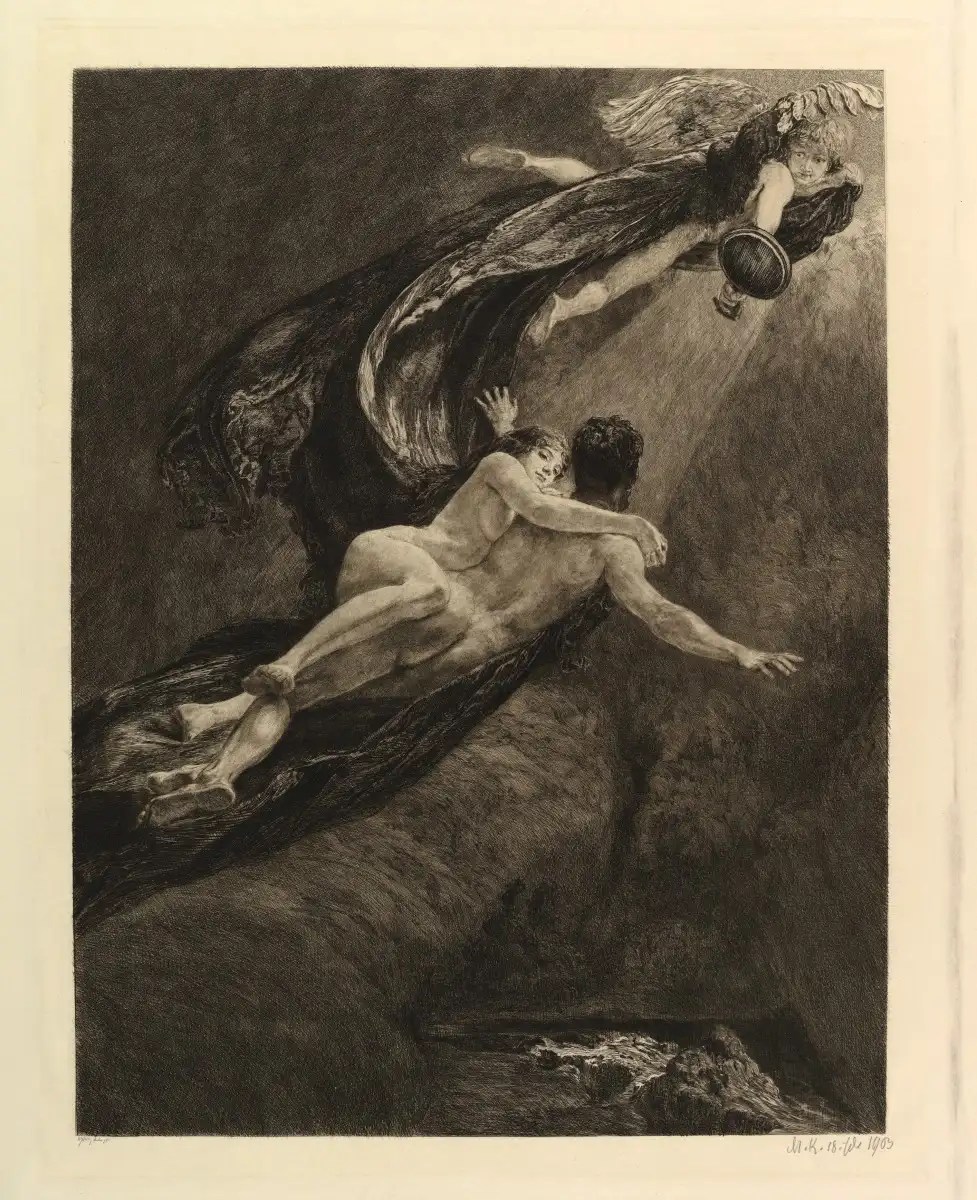
(M)orpheus 

in the last bliss-filled : moments before dawn : i complete a poem : i’m soul-fizzingly pleased with

after days of starts & snatches abstract : unoriginal images & clunky similes i’ve completed  : one beautiful thing to pay tribute : to orpheus & his life-destroying doubt

single-handed walked a difficult path : ploughed through prose : purpled : pumpkin patched : & guided : something delicate & rare to the light 

just as i am about to read    :        over it       :     in a highly gleeful, cork-popping : champagne-guzzling celebratory way

a cockatoo screech of alarm : curses me : & those lines : of poetic perfection : whisper away into ether 

like eurydice’s half-smile

*****

Day 30 — TIL i learnt 7 Facts About Grief & (may have made up) 1 Myth

7 Facts About Grief & 1 Myth

Fact 
#1: Is normal
#2: Hard work
#3: Unpredictable 
#4: It comes & goes
#5: Always takes longer
#6: The way out is through
#7: Yours is the worst kind

Myth 
#1: People recover 

Day 3 – 5 common myths about climate change

I began the day working on what I thought would be a suite of short poems under the title “10 common myths about climate change”

I thought it would be quick & easy to offer a witty one or two line rebuttal. It wasn’t. It was hard hard hard. & I’m not sure how much poetry they contain. The tough thing is so many answers require nuance (so much so, I’ve considered it as a possible title of a future poem) which i) takes time to explain & ii) deniers don’t seem to really want to know about.

So what you’re getting is 5 mythpomes. The other 5 might appear sometime in the future (or not). If they do, perhaps I can choose the best 2-3 to be the actual poem. However, having essentially written 5 pomes today, I wonder if I can have the next 4 days off.

Finally, to borrow from one of the articles I read: “the myths in this list have been studied thoroughly by climate scientists and repeatedly debunked. Yet they persist, often as a result of an organized disinformation campaign waged by special interests whose goal is to raise doubts among the public and delay action on human-caused climate change.”

5 common myths about climate change

Myth #1: It’s the sun.

Sure , the sun’s changed
intensity in the past 
causing profound 
climate modifications
often ice ages which form
over thousands of years
not the few hundreds 
scientists are studying 
— that said : solar irradiance 
is actually down a shade
from a post-war peak : so , no

Myth #2: Scientists disagree on the cause of climate change.

No , they don’t . Not climate scientists 
at least . Sure maybe there’s some botanists, 
paleontologists, seismologists & epidemiologists
who aren’t convinced — but do you 
go to a dentist for a heart transplant ;
or a podiatrist to have that weird
looking growth on your back
removed .

Myth #3: The climate has always changed. It’s natural.

Correct . 
Always has . Always will .

But .
What the deniers 
willfully overlook
is the unprecedented 
pace of change .
Temperatures have risen
10 times faster than during
the last mass extinction
56 million years ago .

Myth #4: It’s cold out. What happened to global warming?

Facepalm . This one should be easy .
Weather is not climate . The end .

Surely it’s obvious that Down Under
summer days can be over 40 degrees Celsius
for a weeks at a time while snow falls
in Cornwall .

Nor do these two diverse 
weather patterns preclude
broad temperature shifts 
across the entire Earth
over the course of months , years , and decades. 

Myth #5: Carbon dioxide levels are tiny. They can’t make a difference.

i.
True , carbon dioxide 
(aka CO2) comprises a minute
fraction of our atmosphere
less than tenth of a percent . 
but that doesn’t mean
it’s not great at its job
— ie , trapping heat ;
CO2 punches above
its molecular weight .
For most of the past million years
carbon dioxide has been below 
280 parts per million
yet since the revolution 
of industry started
levels are now 415 parts per 
— 35% increase in a century
& a half . tiny you say ? 

For comparison
— at 1.3 parts per million
sarin gas irritates
mucus membranes ;
pulmonary issues begin
when exposures exceed 
15 parts per million ;
& you’re dead in thirty min
if the concentration 
tops 430 P.P.Ms .

it’s not the fraction 
that matters
but the effect it has

ii.
also true , CO2 
is only one of many
ironically water vapour
is the greenhouse gas
with the biggest impact ;
nitrous oxide & others
play their role too
(however , that’s a poem
for another day)