Day 17 — fallow + souls

The Climate Change book I finished today concludes with several chapters on fertility — both the earth’s & the author’s. In so doing she mentions a beautiful word I have long loved & long wanted to use in a poem. That word is fallow. The poem isn’t quite there, though the verse I’m gonna share, is close. It also prompted a parallel poem instead of a Poetic Factoid.

*****

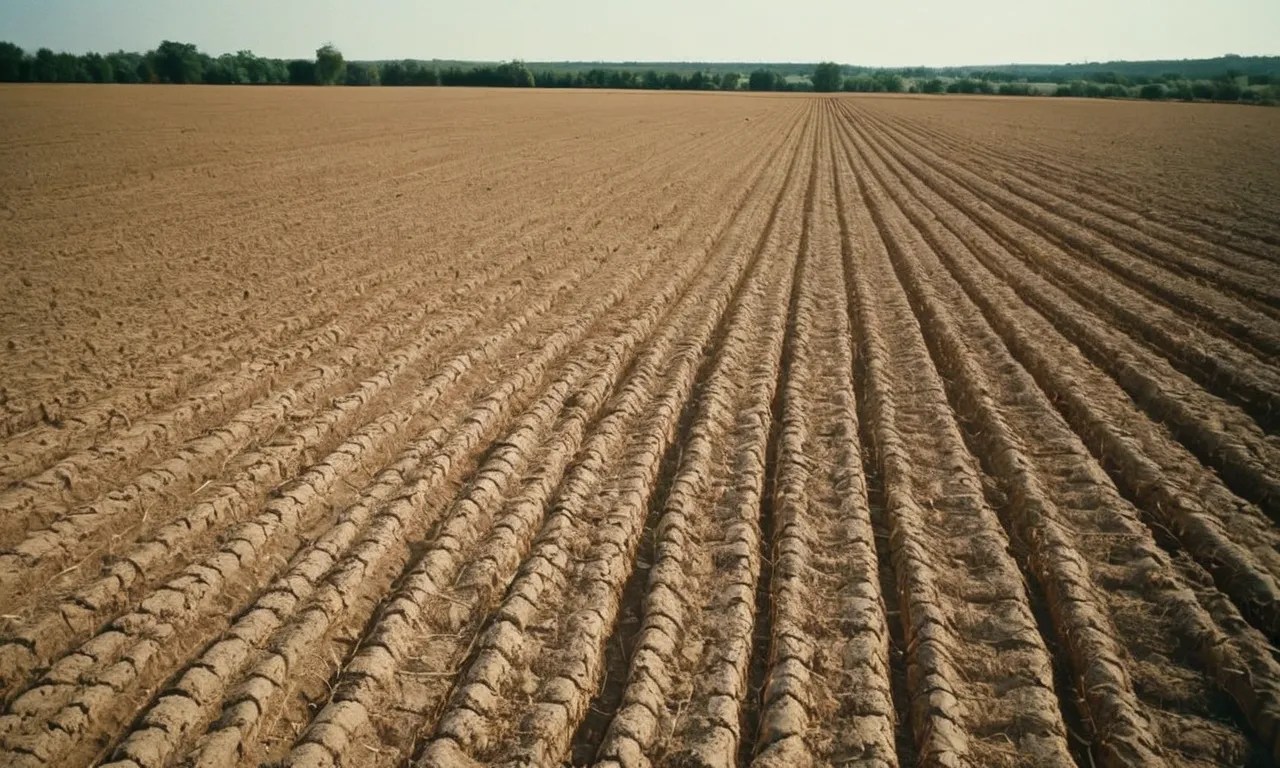
fallow

by growing single crops super-intensively
the brutal industrial-agricultural industry
has abandoned an ancient methodology
for keeping the earth fertile — they forget fallow

so desperate are they for continuous every increasing
crop yields they dump on (usually chemical) fertiliser, irrigate heavily 
& dump more chemicals on to kill the weeds, insects & other pests 
that thrive on monoculture

more traditional agricultural societies 
use natural methods to maintain soil fertility 
including allowing fields to lie fallow 
rest, regenerate and re-submit energy into the soil
often by planting nitrogen-fixing legumes 
like beans into a variety of crops grown side by side. 

but even if the moderns can’t do this
they can allow fields to rest fallow
let the dirt grow dormant, 
go quiet, move more slow
rest recuperate recharge

fallow also works in humans

*****

Day 17 A special +1 poem

A love poem with a difference. 100 years.

fallowsoul

Souls, like farm fields,
need to lie fallow for a time
before returning richer than before
so rest now in that far off fallow gold sea
— & may we meet again in the years that follow

Day 23 — Shakespeare & birds & eccentrics: but no rabbits 

23 scotland-starling-murmuration

April 23 is, as I said Monday (Plague Lear), Shakespeare’s birthday/deathday/choose-your-own-anniversary-day. Each year I write something Bill-affiliated. This is the reserve idea mentioned then even though it’s been in my mind for several years ever since reading an article about … well, see below.

A second part  2. Austin’s rabbits, exploring the introduction of rabbits to Australia is also intended, but owing to: a) part 1’s length; b) my inability to reduce a); & c: my weariness, I’m only going to upload part 1. Part 2, although currently incomplete, I still see very much as a companion to this poem. When a first draft of it is finalised, it might help me work out what to trim here.

*****

the law of unintended consequences: Schieffelin’s starlings & Austin’s rabbits

1. Schieffelin’s starlings

i. 1596, London
Shakespeare penning Henry IV, Part 1 :
Hotspur plots to drive Harry nuts
by teaching a starling to repeat
his brother-in-law Mortimer’s name
till he is released from Welsh prison.
the only reference to the bird
in all the Bard’s eclectic opus
— a throwaway line from a country
twitcher turned urban playwright.

ii. 1890, New York
March 6, 1890, Central Park
German immigrant, Bronx resident,
wealthy American businessman,
gentleman, (eccentric) drug manufacturer
American Acclimatization Society member,
& Shakespearian aficionado or fanatic
depending on who you ask
— Eugene Schieffelin —
decided it would be a lark
to introduce (imported from
the Old World at great expense)
every bird spoken in Shakespeare
to North America.

& so 100 birds fly off
into the virgin new world blue

iii. Now
numbering over 200 million
from Alaska to Mexico
these lean mean feathered bullets
do nothing in moderation.
the Rocky Balboas of bird boxing
fierce fighters for nest cavities
regularly muscle out native birds
& blamed for their population declines.
willing & able to eat anything
breed with disconcerting vigour.
— have brought down planes
cost US agriculture a billion a year
steal cows’ grain condensing milk production.

iv. Retrospect
Schieffelin’s attempts
to introduce skylarks
bullfinches, chaffinches, & nightingales
were thankfully, unsuccessful.
however, starlings, sparrows, & pigeons
remain the only unprotected avine
in North America (all introduced)
their numbers in total more
than all other birds combined.

no doubt had he future-known
Bill would have taken up
his quill
& struck
said references from his pages
most vigourously.

.

.

Note: some scholars reject the theory that Schieffelin belonged to a group dedicated to introducing into America all the birds mentioned in Shakespeare’s works wanting to hear them warbling their old world songs on the limbs & branches of America … but I have used it irregardless because, poetry. Everything else is as factual as my research can make it.

Day 01 – poem about growth

01 seaford

Good Lord. Is it that time of year already. I didn’t even realise til late Sunday that good ol’ NaPoWriMo had started the day before. Was I really gonna do this again. I haven’t been on Facebook much so I didn’t get any reminders from fellow poets who are attempting it this year. Are any? Luckily I’d jotted down a couple of draft pomes (I try & generate something every day & hopefully over a month, I get a couple of ideas worth developing). This was the least bad of those.

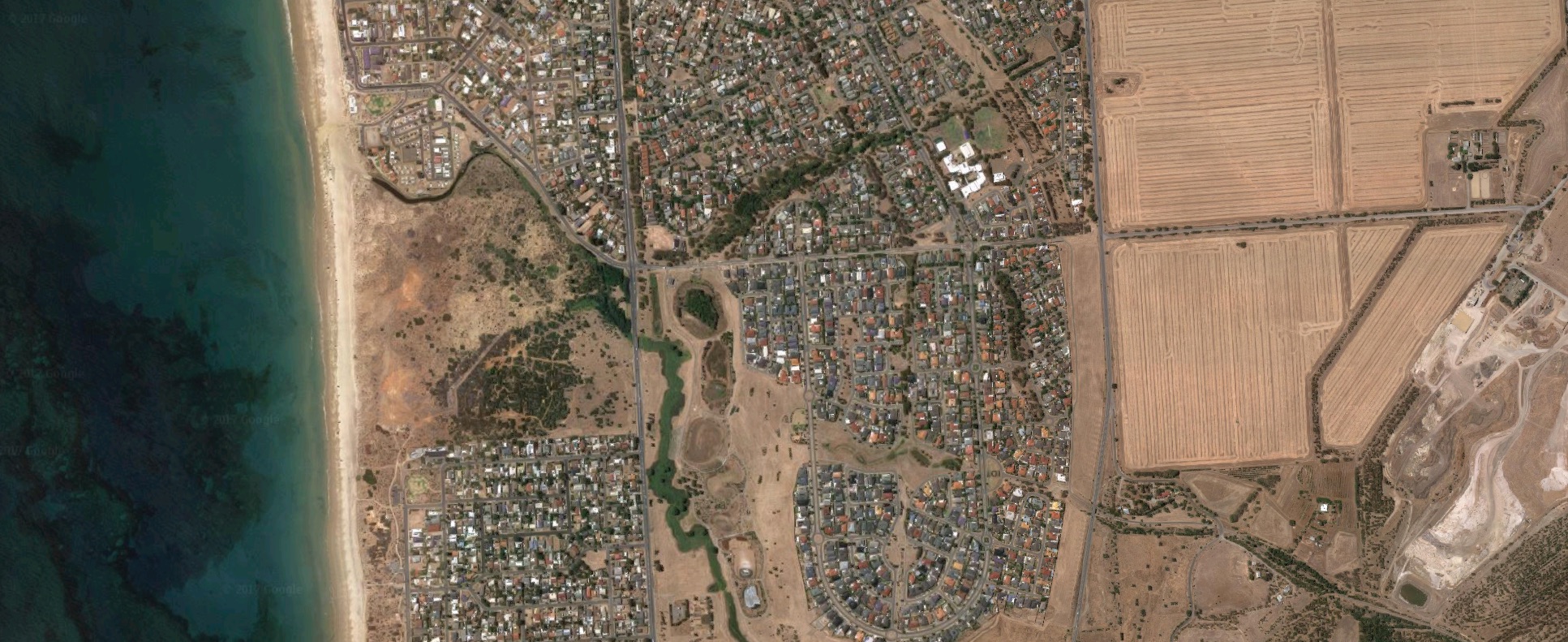
developments in irony

when we seem more interested in seeding
new subdivisions over the hills & plains
where once fruit trees turned heat
into sweetness & wheat rippled gold

where before that kangaroos & goannas
grazed — when we’d rather plant hardware
megastores & concrete commerce
cathedrals , cheek-by-bowel McMansions

in plots tarted up with wispy poetic
organic-sounding  names : This-&-That
View, HoHum Gardens or SomeOrOther’s
Farm ;  mockingly named for the agriculture

ploughed under to birth it — clearly a well
developed sense of irony plays a big part
in the selection criteria for local councilors
responsible for christening these cancers

& equally obvious we no longer wish
to produce enough food to feed ourselves